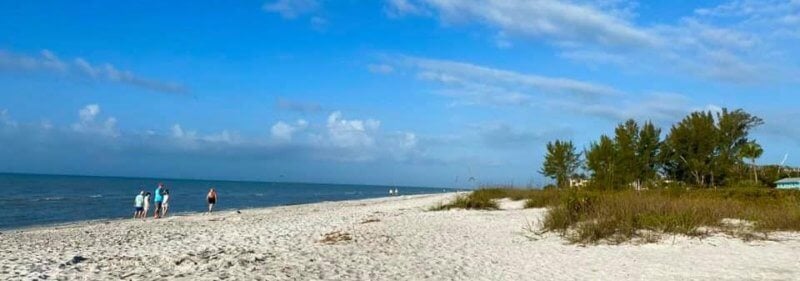
Shelling at Island Inn


World-famous Shelling
Like most of the guests who come to vacation at Island Inn Resort, Sanibel Island’s famous seashells also come from somewhere else. Storms, tides and the powerful action of the Gulf of America’s Loop Current import shells of dazzling variety and exotic origin to Sanibel and Captiva islands. Because of Sanibel’s unique shape and orientation, different parts of the barrier island act like a scoop, facing toward the current from the south, west and north. As the currents run up the slopes and sandbars off Sanibel’s shoreline, they slow, turn and drop their colorful payload of whelks, conchs, olives, junonias, cockles and tulips from all over the Gulf as well as the southern Caribbean.
While beautiful, the shells are not merely decoration; Sanibel Island wouldn’t even exist without them. As waves crest over the outer sandbars, the water rolls with great energy in the troves of offshore shells grinding them into ever-finer particles and eventually carrying them to shore to form the beach.
How to Shell
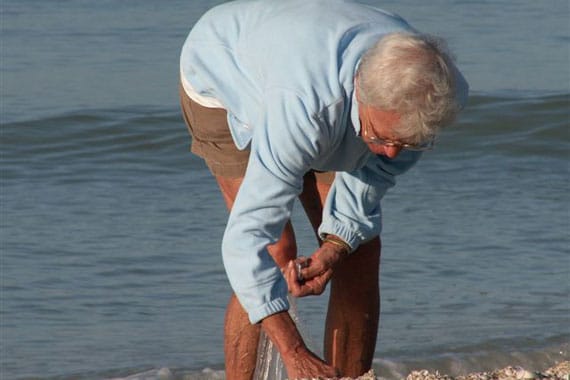
Walking along Island Inn’s pristine beach at low tide is the best time to observe this creative force in action or even “save” a few specimens before they’re broken. The act of “shelling” is so prominent on the islands that those who practice it are said to be doing the “Sanibel Stoop” as they walk head down, bent over at the water’s edge, searching for the glitter of a half-buried shell. Watch the shoreline live on our Sanibel Island beach cam to time your walk with low tide.
Weekly, Guided Beach Walks with SCCF
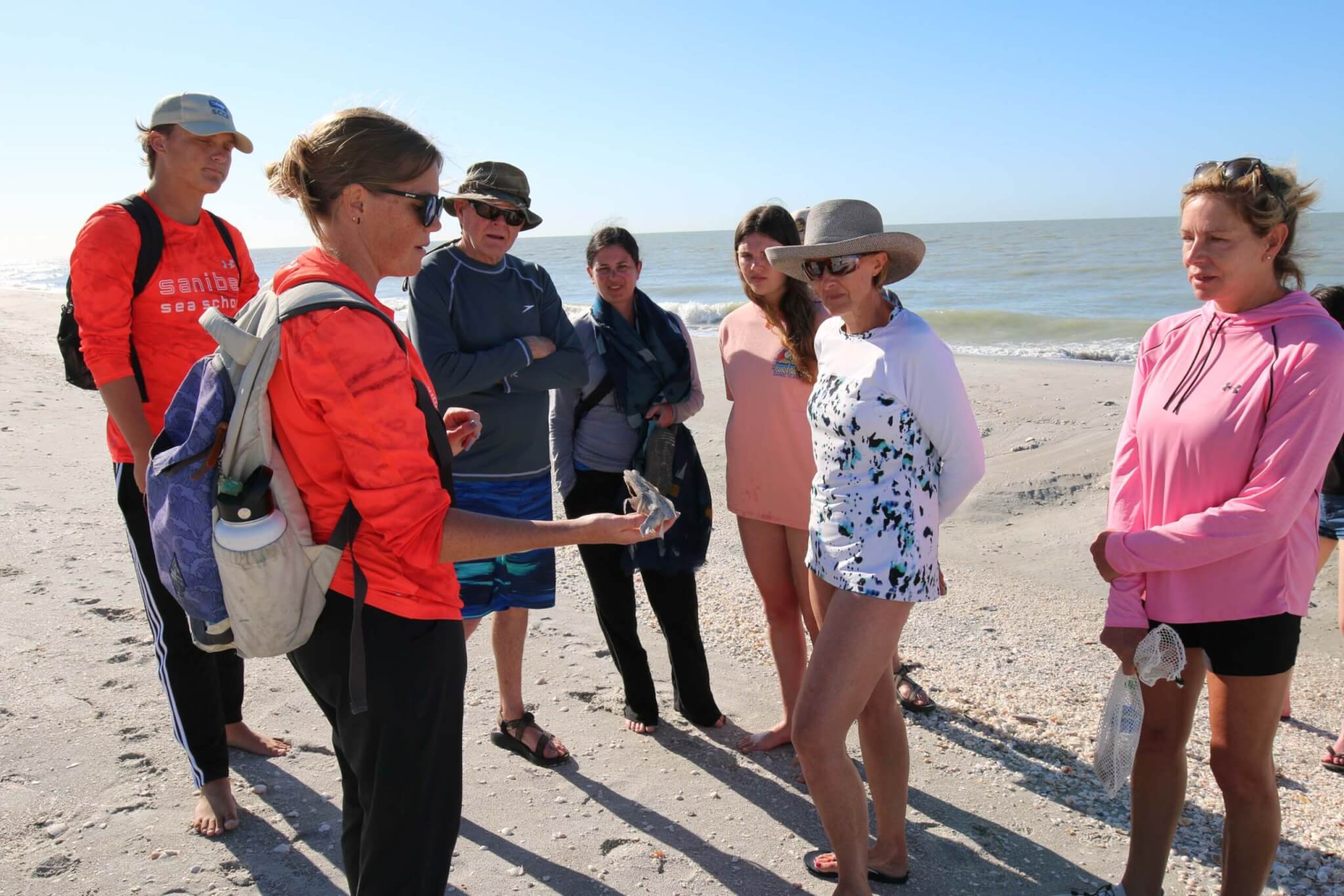
Have the Sanibel Sea School experience with knowledgeable marine science educators for a unique opportunity to explore the flora and fauna of Sanibel’s beaches, as well as insight into the history of the area along the way. Have the Sanibel Sea School experience.
iLoveShelling.com Blog
For years, Pam Rambo has combed the local beaches of Sanibel Island, building her collection and fostering her love for shells. Pam doesn’t limit herself to shells found locally, she and her husband travel the world seeking out seashell treasure.
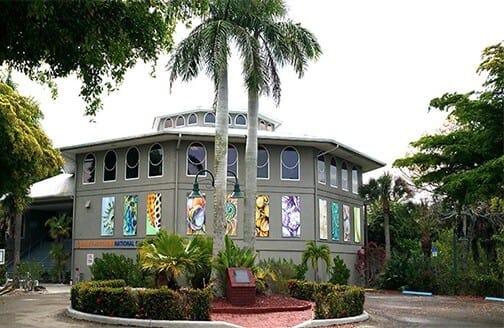
The Bailey-Matthews Shell Museum
Island Inn has partnered with The Bailey-Mathews National Shell Museum to offer daily, expert-led beach walks exclusively to our guests. We are proud to be closely associated with the musuem, which boasts a huge collection of the beautiful seashells found on Sanibel Island. Bailey-Matthews also has a schedule chock full of tours, learning activities, guest speakers and more!
Why are the shells empty?
As you practice “the Sanibel Stoop” yourself on your southwest Florida vacation, you’ll notice that most of the shells are empty, with no trace of the mollusk that built the shell and called it home. Sometimes, you’ll see a shell scuttling along the shoreline, propelled by a small crab that is merely borrowing this suit of armor until it grows and needs a larger shell. Mollusks, by contrast, remain in the same shell throughout their lives, adding material at the edge of the shell to form the characteristic spiral, or at both edges in the case of bivalves like clams.
So if the animal didn’t decide to move out, where did it go? Well, the story doesn’t usually end happily for the mollusk. When they’re young, they live in deeper waters, attaching themselves to rocks or the seafloor. Predators such as the octopus or starfish make a meal of the mollusk, often drilling a small hole to access their intended dinner. By the time the shell tumbles to the shore, it has typically been picked completely clean.
Still, a lucky few survive the trip to the water’s edge. If you find a shell with a mollusk still inside, resist the urge to drop these live animals into your collection bucket; it is illegal to remove them from their habitat.
For more information, make the Bailey-Matthews Shell Museum , just down the road from the Island Inn resort, part of your next vacation trip to Sanibel Island.
Browse our beachfront rooms and suites and plan your shelling getaway at Island Inn.
Visitor Reviews
 Excellent! Stayed at Island Inn for the first time and was very impressed. At check in you get a packet of information about hotel amenities, tide charts, businesses that are open, information about turtle nests, etc - very well organized. Walking through the front door of my room, I was greeted by a panoramic view of the beach. Room was very spacious with a bedroom, living area, full kitchen and a large screened in balcony. There are sliding doors so each area can be separated for privacy if desired. If it was pet friendly, it would be my go to place when I visit Sanibel once or twice a year.

Sanibel Island Shelling FAQ
When is the best time to go shelling on Sanibel?
Go at low tide, ideally the hour before and after it, and early in the morning before other shellers have walked the beach. Winter, roughly December through March, brings the biggest washups, especially the morning after a cold front or a storm. Check the day’s tide chart, or watch Island Inn’s live beach cam to time your walk.
Where are the best shelling beaches on Sanibel?
The Gulf-facing beaches collect the most shells because the island’s curved shape catches what the currents carry in. Island Inn’s 550 feet of beach on West Gulf Drive is a favorite, along with Bowman’s Beach, Blind Pass at the Sanibel and Captiva line (Turner Beach), and Lighthouse Beach at the eastern tip. Shelling is not allowed in the waters of the J.N. “Ding” Darling National Wildlife Refuge.
Can you take live shells from Sanibel beaches?
No. Florida Fish and Wildlife Conservation Commission rule 68B-26 bans harvesting or keeping live shellfish on Sanibel’s beaches and nearshore waters. Sand dollars, sea stars and sea urchins are protected too. A first offense can bring a $500 fine and 60 days in jail. If a shell has an animal inside, put it back in the water.
How can you tell if a shell is alive?
Look into the opening. Soft tissue, a “trapdoor” covering the opening, or an animal that pulls back means it is alive, and so does a hermit crab that has moved in. A sand dollar that is brown or fuzzy is alive; a bleached white one is not. When in doubt, leave it.
What is the “Sanibel Stoop”?
It is the nickname for the head-down, bent-over walk shellers do along the water’s edge, scanning for shells half-buried in the sand. On a good morning you will see the whole beach doing it.
Where can you find sand dollars on Sanibel?
Look on the shallow sandbars and flats that appear at low tide, especially after calm weather. Only keep sand dollars that are white and clearly dead; live sand dollars are protected and must be left in the water.
How do you clean seashells?
Rinse them in fresh water, then soak them in fresh water for a day to loosen sand and salt. A short soak in diluted bleach removes odors and stains; rinse well and let the shells dry fully in the sun before packing.